
If your skin suddenly stings, looks red, or feels tight no matter what you put on it, you’re very likely dealing with a damaged skin barrier.
From a formulator’s lens, this isn’t a mystery diagnosis; it’s a materials problem. The “wall” that keeps water inside and irritants outside has lost structure. The good news: with the right formulation principles and product choices, skin barrier repair is not only possible, it’s predictable.
Table of Contents
What Is the Skin Barrier (and Why It Matters)
Structure & Role of the Skin Barrier
When people say “skin barrier,” they’re usually talking about the stratum corneum, the outer ~10–20 layers of the epidermis. Think of it as a brick-and-mortar system:
- Bricks: flattened, dead cells called corneocytes packed with structural proteins.
- Mortar: a lipid matrix made mainly of ceramides, cholesterol, and free fatty acids arranged in lamellar (layered) sheets.
- NMF (Natural Moisturizing Factors): small water-binding molecules inside corneocytes (amino acids, PCA, urea, salts) that keep these “bricks” flexible.

Functionally, this layer does two jobs brilliantly:
- Limit water loss (so your skin stays supple), and
- Block entry of irritants, allergens, microbes, and pollution.
Its slightly acidic pH (~4.5–5.5) -the acid mantle- also supports a balanced microbiome and healthy enzyme activity for normal desquamation.
Signs Your Skin Barrier Is Healthy
- Comfortable skin with no persistent redness, burning, or tightness
- Even, smooth texture (no gritty patches or shiny over-polished look)
- Products feel non-stingy and perform consistently
- Moisture levels feel stable through the day (no immediate post-wash dryness)
Common Causes of Skin Barrier Damage
A broken skin barrier is rarely one single event; it’s usually the sum of stressors plus a bit of over-enthusiasm in skincare.
Environmental Triggers: UV, Pollution, Climate
- UV radiation disrupts barrier lipids and ramps up oxidative stress; TEWL rises, water content drops.
- Air pollution (ozone, fine particulates) oxidizes skin lipids and can inflame the surface.
- Dry, cold, or very windy climates increase evaporation. Heat and humidity can also stress the barrier via sweating and swelling of the stratum corneum.
Lifestyle & Skincare Mistakes: Over-Exfoliation, Harsh Cleansers
- Over-exfoliation (strong acids, scrubs, frequent peels) literally thins the “brick” layers and exposes nerve endings: hello stinging.
- High-pH soaps and harsh surfactants solubilize protective lipids and disturb the acid mantle.
- Very hot water, aggressive rubbing, or combining too many potent actives at once (e.g., retinoid + strong AHA + peroxide) compounds the damage.
Underlying Skin Conditions: Eczema, Acne, Rosacea
- Atopic dermatitis: often lower ceramide levels and impaired barrier by default.
- Rosacea: elevated baseline sensitivity and TEWL; barrier dysregulation fuels stinging and flushing.
- Acne: treatments like benzoyl peroxide/retinoids are effective but drying; barrier support is essential alongside therapy.
How to Tell If Your Skin Barrier Is Damaged
Physical Signs: Redness, Dryness, Sensitivity
- Diffuse redness, blotchiness, or rash-like patches
- Flaking/peeling, rough texture, makeup sitting unevenly
- Skin that looks oddly shiny yet flaky (classic over-exfoliation pattern)
Sensory Clues: Stinging, Burning, Tightness
- Products that never used to sting now burn on contact
- Persistent tightness after cleansing
- Itch or tender, reactive skin even with “gentle” products
If several of the above ring true, pause the actives and move into repair mode.
How to Repair the Skin Barrier (Formulator’s Perspective)
Barrier repair is about replacing what’s missing (lipids + water binders), locking it in, and not stripping what you just restored.
Formulation Principles: Gentle Surfactants, pH Balance, Occlusives
- Cleanse with care: pH-balanced (≈5-5.5), sulfate-free systems using amphoteric/nonionic surfactants (e.g., betaines, APGs). Keep contact time short; use lukewarm water.
- Rebuild the lamellae: moisturizers should supply the big three: ceramides + cholesterol + free fatty acids, so the lipid “mortar” can re-form.
- Humectants first, occlusives second: flood the stratum corneum with water-binding agents, then seal with film-formers to reduce TEWL.
Formulator cheat-sheet (typical use-ranges)
- Glycerin 3-5%, Sodium PCA 0.5-2%, Hyaluronic Acid 0.1-0.3% (as sodium hyaluronate)
- Panthenol 1-5%
- Ceramides 0.1-1% (depending on form), Cholesterol 0.2-2%, Free fatty acids (e.g., linoleic, stearic) 1-3%
- Occlusives: petrolatum or plant butters 3-20% in creams; higher in ointments as needed
Barrier-Repair Ingredients: Ceramides, Fatty Acids, Cholesterol, Humectants
- Ceramides: core structural lipids; topical replenishment reduces TEWL over time. Work best paired with cholesterol + fatty acids.
- Cholesterol & free fatty acids: complete the lipid matrix; linoleic acid is especially barrier-friendly.
- Humectants: glycerin, hyaluronic acid, urea (2-5%), panthenol restore water content and support enzyme function for barrier renewal.
- Supportive actives: niacinamide (2-5%) boosts endogenous ceramide synthesis and calms redness; allantoin, beta-glucan, madecassoside soothe while healing.
Formulation Do’s & Don’ts: Avoid Stripping Agents, Limit Fragrance
Do
- Keep formulas fragrance-free and low in known sensitizers.
- Choose film-formers/occlusives (petrolatum, dimethicone, shea, squalane) to protect while healing.
- Use antioxidants to buffer environmental stress (e.g., tocopherol, green tea polyphenols).
Don’t
- Use high-pH soaps or harsh sulfates on compromised skin.
- Layer multiple strong exfoliants or jump to high-dose retinoids immediately after irritation.
- Rely on “tingly = working.” Tingling on a compromised skin barrier usually means irritation, not efficacy.
Best Ingredients & Products for Skin Barrier Recovery
Moisturizers & Creams: Occlusive + Humectant Balance
Your moisturizer for damaged skin barrier should feel a bit richer than your everyday lotion. Look for:
- “Barrier” creams with ceramides + cholesterol + fatty acids
- Humectant stack: glycerin + HA + panthenol (and/or urea at 2–5%)
- Occlusion layer: dimethicone, petrolatum, shea/butters to cut TEWL
How to use: Apply generously within 2–3 minutes of cleansing (on slightly damp skin) to trap water. For very leaky areas, spot-treat with a thin smear of petrolatum or a thicker balm overnight.
Serums & Treatments: Peptides, Niacinamide
- Skin barrier serum with niacinamide (2–5%) + panthenol + HA gives a fast track to comfort and lipid support.
- Peptides (e.g., palmitoyl tripeptides) can support overall skin conditioning while you rebuild; keep vehicles bland and fragrance-free.
- Cica/madecassoside gels help calm the heat and reduce the itch-scratch cycle that keeps a barrier inflamed.
Cleansers for Repair: Gentle Cleanser for Damaged Skin Barrier
Choose a creamy, low-foam cleanser formulated for sensitive skin:
- pH around 5–5.5
- Sulfate-free systems: amphoteric (coco/betaine) + nonionic (APGs)
- No fragrance, no dye, no aggressive scrub particles
Use once nightly (AM water rinse if needed) until skin stabilizes.
Preventing Future Skin Barrier Damage
Daily Skincare Habits: Layering, SPF, Avoiding Over-Exfoliation
- Cleansing: short contact, lukewarm water, gentle pressure.
- Layering: humectant-rich serum ➜ barrier cream ➜ broad-spectrum SPF 30+ every morning.
- Exfoliation: acids/retinoids at a tolerable frequency (e.g., 1–3×/week for most). If redness/peel persists, you’ve crossed your threshold.
- Shower hygiene: limit hot showers; moisturize body skin within minutes after toweling.
- Seasonal tweaks: increase emollients and occlusion in winter; keep humectants steady year-round.
Formulator Tips for Long-Term Protection: Lipid Replenishment, Antioxidant Stability
- Design with the barrier in mind: favor balanced lipid systems (ceramide + cholesterol + FA) and keep product pH compatible with the acid mantle.
- Choose gentler surfactant blends: amphoteric/nonionic combos; add polyols and oils to reduce harshness.
- Stabilize antioxidants (air/light-sensitive ones in airless packs) so they meaningfully buffer environmental stress.
- Keep INCI lists lean for “repair” SKUs; fewer potential irritants, more predictable outcomes.
- Educate on usage: barrier products work best consistently, not just during flare-ups.
Final Thoughts
A compromised skin barrier is uncomfortable—but it’s fixable. The formula is simple:
- Stop the stressors (UV, harsh cleansers, over-exfoliation).
- Rebuild the wall (ceramides + cholesterol + fatty acids) and restore water binding (glycerin, HA, panthenol, urea).
- Seal and protect (occlusives, SPF, smart cleanser choice).
If you prefer a “low-additive” route, you can focus on repairing the skin barrier naturally with bland, fragrance-free formulas that mirror skin’s own lipids, paired with sensible habits (lukewarm water, shorter showers, daily sunscreen). Consistency beats intensity every time.
Want the formulation side in more depth? Explore our formulation guides for barrier-friendly surfactant systems, lipid ratios that perform in real skin, and working templates for skin barrier repair cream and serum development. Healthy skin starts with a healthy barrier; let’s build that first.
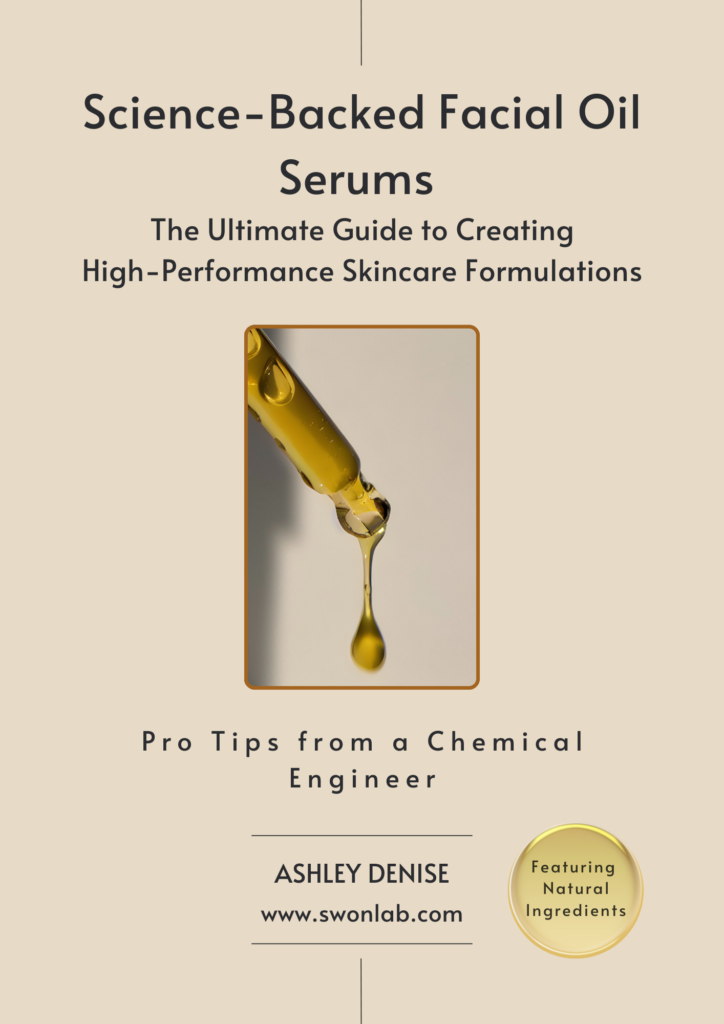
Facial Oil Serum Formulation Guide
Create facial oil serums that deliver real results. No more random mixing, guesswork, or trial-and-error. Learn how professional formulators choose oils, actives, and strategies that actually work.
This 163-page science-backed guide gives you 15 expert-tested formulas (anti-aging with Bakuchiol, two eye serums including CoQ10, Vitamin C facial oil, retinol night serum, ceramide shield serum and more) plus deep-dive ingredient training in carrier oils, essential oils, and oil-soluble actives.
Anhydrous (waterless) system, perfect entry point for new formulators. Written by a Chemical Engineer. Lifetime access.
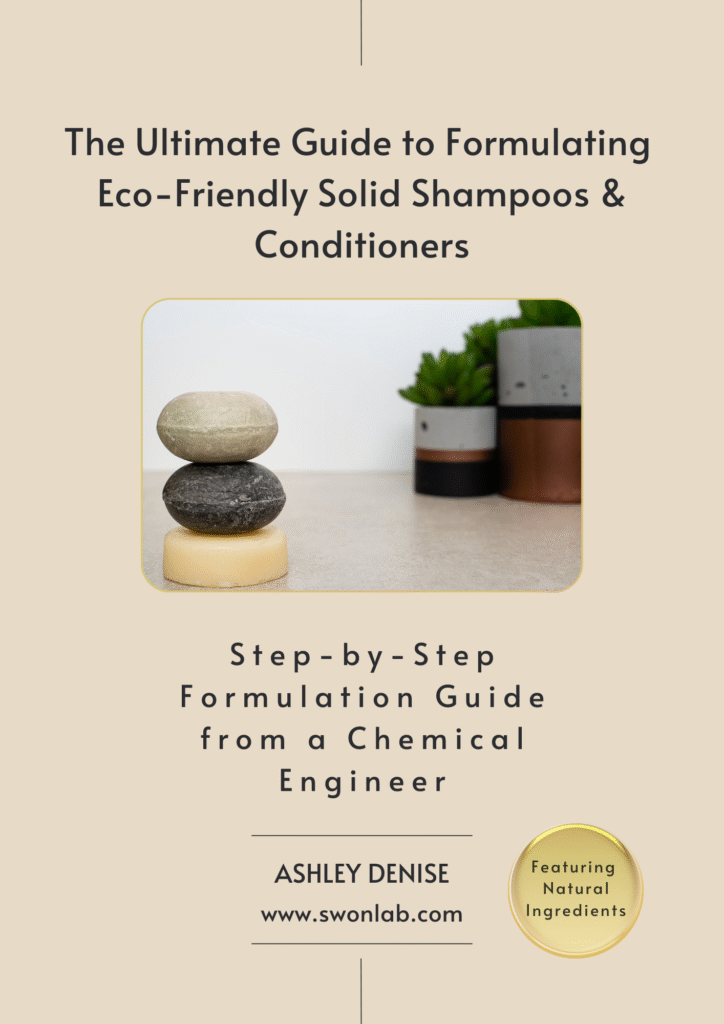
Solid Shampoo & Conditioner Bar Formulation Guide
Create solid shampoo and conditioner bars with confidence.
No more guesswork, failed batches, or endless ingredient research.
Learn the exact methods and pro techniques used by real cosmetic formulators.
Master the science of pH-balanced, syndet (soap-free) solid shampoo and conditioner bars.
This 174-page guide, written by a Chemical Engineer, gives you 7 complete professional formulas with full INCI tables (4 shampoo bars including anti-dandruff, 3 conditioner bars with BTMS-50, Varisoft EQ 65, and AminoSensyl™ HC), ingredient deep-dives (surfactants, BTMS, actives, oils…), and step-by-step process (cold and hot) to stop the guesswork and start creating bars that truly perform.
Beginner-friendly, eco-conscious, and results-driven.