
Hair conditioner is one of the most misunderstood yet essential parts of any hair care routine. While shampoo cleans your scalp, it’s conditioner that brings softness, shine, and manageability back to your strands. But not all conditioners are created equal. Whether you’re a curious DIY enthusiast or a skincare formulator looking to perfect your product line, this post breaks down everything you need to know: what conditioners actually do, which ingredients make them work, and how to choose or even formulate the best one for your hair, or your clients’.
Along the way, we’ll also touch on leave-in conditioners, including popular questions like “Is leave-in conditioner good for curly hair?” or “Can I make a natural conditioner at home?”
Ready to level up your conditioner knowledge?
✨ New to surfactants and solid hair bars? Check out our post on How to Formulate Solid Shampoo Bars to learn the basics before diving in.
What Does a Hair Conditioner Actually Do?
Let’s start with the basics. If shampoo is the cleanser, conditioner is the caregiver.
A hair conditioner is designed to improve the look, feel, and manageability of your hair, especially after it’s been cleansed and stripped of its natural oils. While the surface-level effect may seem simple (smooth, soft, shiny hair), there’s a lot happening behind the scenes at the molecular level.
Restores Moisture and Shine
Most shampoos (even the gentle ones) remove some of the scalp’s natural oils along with dirt and product buildup. Conditioners help restore moisture balance, especially for dry or damaged hair types. Ingredients like humectants (glycerin, panthenol) attract water, while emollients (oils, esters) soften and smooth the cuticle, reflecting more light and giving hair that healthy shine.
✨Fun fact: Hair shines more when the surface is smooth and light can bounce off it. That’s why conditioning is key for dull or lifeless strands.
Detangles and Smooths Hair
Conditioner reduces friction between hair strands, making it easier to comb through wet or dry hair. This is especially important for curly or long hair types, which are more prone to tangles and breakage. The magic happens thanks to cationic ingredients that bond to the negatively charged hair surface, creating a silky slip that improves combability.
💡 Curious about which conditioning agents work best in bar format? We cover that in How to Formulate Solid Shampoo Bars.
📘 Want a step-by-step guide to formulating your own solid conditioners? Grab our Solid Shampoo & Conditioner Bar Formulation Guide – SwonLab eBook and start creating with confidence.
Protects from Damage and Frizz
Conditioners create a lightweight barrier that shields hair from environmental stressors like UV rays, humidity, and heat styling. This barrier also helps seal split ends, reduce frizz, and improve hair elasticity; all of which are crucial for healthier, more resilient hair.
Types of Hair Conditioners (And How They Work Differently)
Not all conditioners serve the same purpose. Depending on their format and formulation, conditioners can be rinse-off, leave-in, or hybrid products that combine care and styling. Knowing which type fits your needs (or your customer’s hair type) is essential for both choosing and formulating the right product.
Rinse-Off Conditioners
These are the classic conditioners most people are familiar with. Applied after shampooing and rinsed out within a few minutes, they’re designed to instantly improve hair texture, reduce friction, and restore moisture.
Rinse-off conditioners usually contain:
- Cationic surfactants (like BTMS ) for detangling and slip
- Emollients and oils for softness
- Humectants for hydration
- And sometimes proteins to help reinforce the hair shaft
These conditioners work best for daily or frequent use, especially on hair that tends to dry out after shampooing.
✍️ Formulator tip: To ensure rinse-off conditioners are effective yet easy to wash out, balance emollients and cationic agents carefully, especially if formulating for fine hair.
Leave-In Conditioners
Leave-in conditioners are designed to stay on the hair after washing, without rinsing. They typically have a lighter consistency and are used to enhance moisture retention, reduce frizz, and improve manageability throughout the day.
They’re especially popular for curly and coily hair types, which often require extra hydration and frizz control. A common search phrase like “leave-in conditioner for curly hair” reflects how widely they’re used by those seeking definition and softness without heaviness.
Leave-ins can come in forms like:
- Sprays and mists
- Milky emulsions
- Lightweight creams or gels
💡 Ideal leave-in formulations should be low in oil phase, pH balanced (4.0–5.0), and optionally enriched with botanical extracts or film-formers for enhanced styling.
Hybrid Conditioners (Care + Style in One)
Hybrid conditioners blend the best of both worlds: they condition the hair and offer styling benefits like frizz reduction, heat protection, or volume control. Think of them as smart multitaskers, perfect for busy users or minimalist hair routines.
Examples include:
- Leave-in creams with hold (like curl definers)
- Styling sprays with conditioning agents
- Solid bars that cleanse and condition in one
These products often use a mix of cationic polymers, film-formers, and light oils or esters to create a leave-on film that nourishes the hair while enhancing texture or hold.
✍️ DIYers love hybrid formats for travel-friendliness and simplicity. We explore this further in our post on Solid vs Liquid Shampoo.
Key Ingredients in Effective Conditioners
At the heart of every good conditioner is a careful balance of functional ingredients, each one playing a role in softening, repairing, and protecting your hair. Whether you’re a DIYer exploring natural alternatives or a cosmetic formulator working on a new line, these are the ingredient categories you need to understand.
Essential Conditioning Ingredient Categories
| Ingredient Type | Function | Examples |
|---|---|---|
| Cationic Agents | Adhere to hair surface, reduce friction, add slip | BTMS, Behentrimonium Chloride, Cetrimonium Chloride, Polyquats |
| Humectants | Attract and retain moisture | Glycerin, Panthenol, Sodium PCA, Hyaluronic Acid |
| Proteins & Amino Acids | Strengthen, repair, improve elasticity | Hydrolyzed Silk, Wheat Protein, Arginine |
| Emollients & Oils | Soften, add shine, smooth cuticle | Jojoba Oil, Coconut Oil, Caprylic/Capric Triglycerides |
| Botanicals & Extracts | Add sensory & antioxidant benefits, sometimes film-forming | Aloe Vera, Chamomile, Green Tea, Calendula |
Cationic Conditioning Agents: Classic vs. Naturally-Derived
Cationic surfactants are the core of any conditioner. These positively charged molecules are what bind to your negatively charged hair shaft, creating that smooth, soft, manageable feeling we all love.
Widely Used Cationic Agents in Traditional Formulations:
- Behentrimonium Chloride
- Cetrimonium Chloride
- Polyquaternium-7, -10, -16
- Behenalkonium Chloride
- Distearoylethyl Hydroxyethylmonium Methosulfate
These are commonly used in commercial conditioners for their strong conditioning performance. However, they may not always align with natural or green beauty standards.
Plant-Based / Naturally-Derived Alternatives:
- BTMS-50 (partially plant-derived, gentle and effective)
- Varisoft® EQ 65 (eco-friendly and Cosmos-accepted)
- Emulsense™ HC (based on brassica oil derivatives)
- Guar Hydroxypropyltrimonium Chloride (cationic guar gum)
✍️ Formulator Insight: While natural options may have a milder feel and require different usage rates, they offer an excellent starting point for eco-conscious formulations.
How to Choose the Right Conditioner for Your Hair Type
Choosing a conditioner isn’t just about picking something that smells nice. It’s about understanding your hair’s unique needs; whether it’s thirsting for hydration, prone to buildup, or suffering from breakage. Let’s break it down by hair type so you can select (or formulate) the most effective product.
For Curly or Coily Hair
Curly hair tends to be dry by nature, thanks to the twists and turns that make it harder for natural oils to travel down the hair shaft. It craves moisture, frizz control, and slip for detangling.
Best conditioner type: Leave-in or rich rinse-off
Key ingredients:
- Cationic agents for detangling (BTMS, Varisoft® EQ 65)
- Film-formers for frizz control (polyquats or natural gums)
- Humectants + emollients combo (panthenol + shea butter or coconut oil)
💡 “Is leave-in conditioner good for curly hair?” Absolutely… especially if it’s lightweight, pH-balanced, and free from heavy silicones.
For Oily Scalp or Fine Hair
This hair type is easily weighed down and can feel greasy quickly, especially if over-conditioned. The challenge here is to condition just enough without buildup.
Best conditioner type: Lightweight rinse-off, preferably focused on the ends
Key ingredients:
- Light cationics (polyquaternium-7, BTMS in lower %)
- Esters or light oils (like caprylic/capric triglycerides)
- Minimal humectants (glycerin in low %)
✍️ Formulator tip: Apply conditioner only from mid-length to ends to avoid flattening the roots or over-conditioning the scalp.
For Dry or Damaged Hair
If your hair feels brittle, breaks easily, or lacks shine, you need a deep-conditioning formula that replenishes lost lipids and strengthens the structure.
Best conditioner type: Rich rinse-off or weekly treatment mask
Key ingredients:
- Hydrolyzed proteins (wheat, silk, keratin)
- Emollient-rich oils (jojoba, argan, avocado)
- Deep-penetrating humectants (panthenol, hyaluronic acid)
🔁 Consistency is key: Repairing damaged hair takes time. Use a deep conditioner at least once a week and trim split ends regularly.
Can You Make Your Own Conditioner at Home?
The short answer? Yes, but it’s not as simple as mixing oils and calling it a day.
Making your own DIY hair conditioner can be a rewarding project, especially if you’re mindful of ingredients, pH, and hygiene. But many online recipes skip the science and rely heavily on oils or butters without understanding how real conditioners actually work.
Let’s explore what you need to know before whipping up your own batch.
What DIY Formulators Should Know
Conditioners are emulsions that typically combine water, oils, and cationic ingredients (the active agents that actually make hair feel soft and smooth). Without these cationic compounds, your DIY conditioner may moisturize a little, but it won’t provide the detangling or film-forming benefits of a true conditioner.
Also: pH matters. A proper conditioner should fall between 4.5 and 5.5 to help seal the cuticle and protect the hair fiber. DIY recipes that ignore pH can leave your hair feeling rough or even cause long-term damage.
Natural Doesn’t Always Mean Better
There’s a common belief that if it’s “natural,” it’s automatically good. But not all oils or herbal infusions are ideal for hair conditioning. Some natural ingredients are comedogenic, oxidize quickly, or simply don’t penetrate the hair shaft effectively.
That said, there are some excellent plant-derived conditioning agents you can use, like:
- BTMS-50 (partly natural, gentle and effective)
- Cationic guar gum (a polysaccharide with conditioning properties)
- Varisoft® EQ 65 (readily biodegradable and eco-approved)
- Hydrolyzed plant proteins
✍️ Formulator insight: Using proven conditioning agents (even in natural DIY formulas) can help you get salon-worthy results without compromising safety or stability.

🍯🥚 PSA for Natural DIY Lovers:
We love nature too, but let’s make one thing clear: natural doesn’t mean edible.
Just because something is safe to eat (looking at you, banana-egg-honey hair masks) doesn’t mean it belongs in a conditioner. Hair needs ingredients that can actually bind to it, penetrate where needed, and create lasting results. That’s what cosmetic-grade, plant-derived actives are for. Save the breakfast buffet for your toast… not your scalp.
📘 Want a more advanced breakdown? Our Solid Shampoo and Conditioner Formulation eBook walks you through ingredient functions, percentages, and example recipes step by step.
Traditional Botanicals in Conditioning: Science vs Tradition
Herbal hair care has a rich history. For centuries, people have used plant infusions, decoctions, and rinses to improve scalp health, add shine, or even shift hair color. While some of these practices are supported by science, many remain rooted in tradition and that’s not necessarily a bad thing.
Let’s take a balanced look at how botanicals fit into modern conditioner formulas.
Herbal Rinses and Sprays
Traditional hair rinses involve steeping herbs in hot water, just like tea and using the resulting infusion as a final rinse after shampooing. These are especially popular in DIY and “green beauty” circles, where ingredients like chamomile, rosemary, hibiscus, and nettle are household staples.
Common goals of herbal rinses:
- Chamomile → enhance blonde tones, soothe scalp
- Rosemary → stimulate circulation, add shine
- Hibiscus → improve elasticity, add reddish tones
- Nettle → balance oily scalp, reduce dandruff
While rinses don’t condition in the classic sense (no cationic agents), they can support scalp health, provide antioxidants, and contribute to hair’s overall look and feel.
What Research Supports (And What Doesn’t)
Here’s where things get tricky. While some plants do have documented benefits, like rosemary oil for hair growth or green tea extract for antioxidant protection, most traditional herbal uses lack large-scale clinical data.
Also, many DIY recipes use plant extracts or infusions without considering:
- Concentration of actives
- Stability of water-based mixtures
- Microbial growth risk (yes, tea can go bad too!)
✍️ Formulator reminder: If you’re using herbal infusions in your product, always pair them with proper preservatives and test for stability if you’re planning to sell it.
How to Use Botanicals Safely in Formulations
To make the most of botanicals in a modern conditioner:
- Use standardized plant extracts when possible
- Always preserve water-based formulas (botanical or not)
- Be cautious with photosensitizing herbs (like citrus peels or St. John’s Wort)
- Use herbs for supportive functions, not as replacements for functional actives
There’s absolutely a place for nature in your hair care routine, it just needs to work hand-in-hand with formulation science.
Final Thoughts (and a Science-Based Shortcut!)
A great hair conditioner isn’t just about softness, it’s about science, structure, and smart formulation. Whether you’re nourishing dry curls, calming an oily scalp, or crafting your own product from scratch, understanding what goes into a conditioner can make all the difference.
From humectants to cationic agents, from DIY insights to botanical wisdom, you now have a foundation to choose (or formulate) with clarity and confidence.
But if you’d rather skip the guesswork and dive straight into proven formulas…
📘 Check out our Solid Shampoo & Conditioner Bar Formulation Guide.
Packed with ingredient breakdowns, formulation strategies, and sample recipes, this eBook gives you the tools to formulate professional-quality solid hair conditioners, whether you’re a DIY enthusiast or a brand in the making.
🎯 Make your next conditioner not just natural, but effective. Start formulating smarter, today.
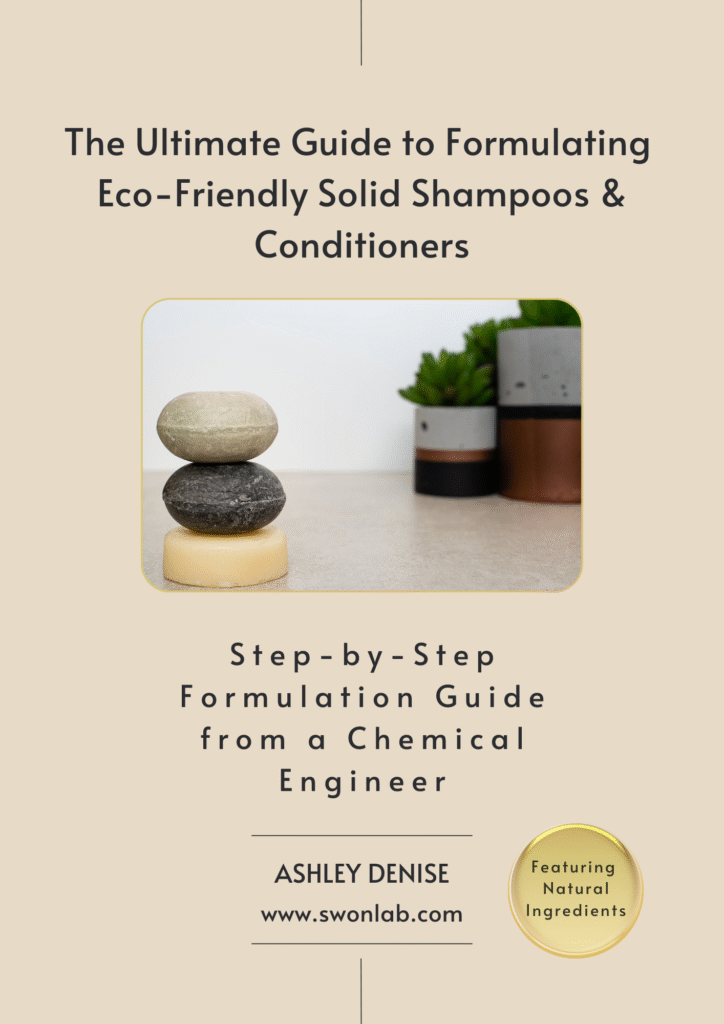
Solid Shampoo & Conditioner Bar Formulation Guide
Create solid shampoo and conditioner bars with confidence.
No more guesswork, failed batches, or endless ingredient research.
Learn the exact methods and pro techniques used by real cosmetic formulators.
Master the science of pH-balanced, syndet (soap-free) solid shampoo and conditioner bars.
This 174-page guide, written by a Chemical Engineer, gives you 7 complete professional formulas with full INCI tables (4 shampoo bars including anti-dandruff, 3 conditioner bars with BTMS-50, Varisoft EQ 65, and AminoSensyl™ HC), ingredient deep-dives (surfactants, BTMS, actives, oils…), and step-by-step process (cold and hot) to stop the guesswork and start creating bars that truly perform.
Beginner-friendly, eco-conscious, and results-driven.